
Nicks Masonry: The UK Hiring Checks Most Articles Miss
Brickwork, repointing and repair checks for UK property owners
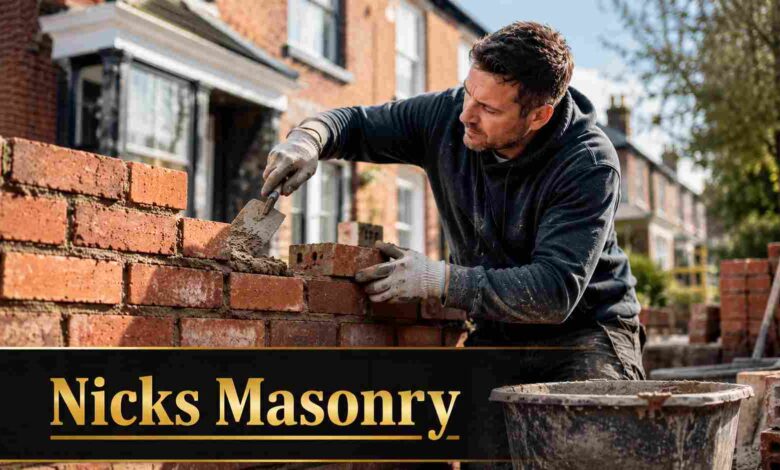
Many people search nicks masonry expecting one clear contractor or service provider. The results are not always that simple.
For UK homeowners, landlords and property managers, masonry work is not just about making a wall look cleaner. Brickwork, repointing, stone restoration, chimney repairs and external wall repairs can affect damp control, structural safety and long-term property value.
This guide explains what Nicks Masonry means in search results, which masonry services the keyword is linked with, and what checks you should make before hiring anyone for brickwork or structural masonry in the UK.
What Is Nicks Masonry in the UK Search Results?
Why the Keyword Appears Around Brickwork and Stone Restoration
Current search results connect Nicks Masonry with masonry services such as brickwork, stone restoration, repointing, structural masonry and chimney repairs.
That does not automatically prove one exact UK company identity. It means the keyword has become attached to a service-style search intent.
Searchers are usually looking for:
- Brickwork services UK
- Stone restoration UK
- Repointing brick and stone walls
- Structural masonry services
- Chimney repairs
- External masonry walls
- Masonry contractor UK
Why You Should Verify the Business Before Hiring
Before you contact any contractor found through a nicks masonry search, verify the basics.
Check:
- Exact business name
- Official website
- Phone number
- Service area
- Physical address, if provided
- Public reviews
Before-and-after project photos
- Insurance details
- Written quote terms
A useful search result should help you make a safer hiring decision. It should not ask you to trust broad claims without evidence.
Trust check: If a page says a company is “trusted” but gives no official contact details, real project examples, insurance information or review evidence, treat it as a starting point only.
Nicks Masonry vs Similar Business Names
Similar names are not proof of the same business.
A contractor name can look close to another company name, but that does not mean they share the same owner, address, trading history or service area. For a UK property job, always verify the exact name before booking a visit or paying a deposit.
Core Nicks Masonry Services UK Property Owners Usually Search For
Brickwork Services UK: Repairs, New Walls and Extensions
People searching Nicks Masonry often want help with damaged brickwork or new brick structures.
Typical brickwork jobs include:
- Cracked brick replacement
- Garden wall repairs
- Boundary wall rebuilding
- Small extension brickwork
- External wall repairs
- Loose or damaged brick faces
A good masonry contractor should explain whether the issue is cosmetic, weather-related or structural.
Stone Restoration UK: Older Homes and Heritage Properties
Stone restoration matters most on older homes, period properties and traditional buildings.
The goal is not only to make the stone look newer. The repair should protect the wall without damaging the original material.
This is where experience matters. A contractor should understand stone type, mortar compatibility, joint finish and weather exposure before starting.
Repointing Brick and Stone Walls
Repointing means removing damaged mortar from between bricks or stones and replacing it with suitable new mortar.
Mortar is the material between bricks or stones. It helps hold the wall together and keeps rain from entering the joints.
Poor repointing can cause more harm than good. Historic England says unsuitable repointing can affect both the appearance and durability of masonry, especially on older brick and stone walls.Historic England repointing brick and stone walls
Structural Masonry Services and Crack Repairs
Not every crack is a simple filler job.
Some cracks appear because of movement, moisture, failed lintels, foundation issues or wall tie problems. A cosmetic repair may hide the symptom without fixing the cause.
Watch for:
- Large diagonal cracks
- Cracks that keep widening
- Bulging walls
- Leaning walls
- Cracks around windows or doors
- Movement in retaining walls
If these signs appear, ask whether a structural engineer or building control advice is needed.
Chimney Repairs and Masonry Rebuilds
Chimneys are exposed to wind, rain, frost and heat changes. Over time, mortar joints can fail, brick faces can break down and chimney stacks can become unstable.
GOV.UK Approved Document A covers structural elements including foundations, walls, floors, roofs and chimneys. This makes chimney repair a safety issue, not just a visual upgrade. GOV.UK Approved Document A
How to Know If Nicks Masonry Work May Need Repointing
Crumbling Mortar, Gaps and Loose Joints
A wall may need repointing if you can see:
- Powdery mortar
- Open joints
- Loose sections between bricks
- Gaps where rain can enter
- Brick faces starting to flake
- Small plants growing from joints
Do not judge the full wall from one damaged patch. A skilled contractor should inspect the whole area and explain which sections actually need work.
Damp Patches, Water Ingress and Frost Damage
Failed mortar can let water into a wall. In colder weather, trapped moisture can freeze and expand, which may worsen surface damage.
Look for damp patches inside or outside, salt marks, loose mortar near gutters, or damage below leaking pipes.
Why Full Repointing Is Not Always the Right Answer
Full repointing is not always needed.
Historic England guidance says comprehensive repointing is rarely necessary and sound historic mortar should normally be left undisturbed. That matters because unnecessary work can remove original fabric and weaken the character of older buildings.
Common mistake: Repointing the whole wall because one area looks poor. A better approach starts with the cause, such as a leaking gutter, exposed corner, failed flashing or damaged joint section.
UK Building Rules to Check Before Nicks Masonry Work Starts
External Walls and the 25% Rule
Some external wall work may need Building Regulations approval.
The Planning Portal says regulations would normally apply where 25% or more of an external wall is re-rendered, re-clad, re-plastered, internally re-lined, or where 25% or more of the external leaf of a wall is rebuilt. Planning Portal external walls building regulations
This does not mean every small brick repair needs approval. It means larger wall projects should be checked before work starts.
Load-Bearing Walls, Foundations and Chimneys
Load-bearing masonry supports weight from above. That can include floors, roofs or other parts of the building.
GOV.UK Approved Document A gives structural guidance for foundations, walls, floors, roofs and chimneys. If the job affects structural stability, treat it seriously.
Listed Buildings and Conservation Areas
Older buildings may need extra consent before masonry changes.
This can apply to listed buildings, conservation areas or properties with protected features. Do not replace stone, change pointing style or alter historic brickwork before checking local requirements.
Before work starts: Ask whether the job affects a listed building, conservation area, party wall, chimney stack, external wall or load-bearing structure.
When a Structural Engineer May Be Needed
A masonry contractor can repair many walls, but some warning signs need structural input.
Get further advice if you see:
- A wall leaning out of line
- Bulging brickwork
- Stair-step cracks
- Large diagonal cracks
- Chimney stack movement
- Retaining wall movement
- Cracks returning after previous repair
A good contractor should not be offended if you ask whether engineering advice is needed.
Safety Checks Most Nicks Masonry Articles Miss
Silica Dust from Brick, Mortar, Concrete and Stone
Masonry work can create silica dust when workers cut, grind, rake or drill brick, stone, concrete and mortar.
HSE says silica is the biggest risk to construction workers after asbestos, and heavy or prolonged exposure can cause serious respiratory disease. HSE silica dust in construction
This matters to homeowners too. Dust control protects workers, neighbours, children, pets and the inside of your property.
Mortar Raking, Cutting and Dust Control
HSE guidance says chasing concrete and raking mortar can produce very high levels of silica-containing dust, so effective control is necessary. HSE construction dust and mortar raking
Ask the contractor how they will control dust.
They may mention:
- Water suppression
- On-tool extraction
- Suitable respiratory protection
- Sealed work areas
- Safe waste handling
- Clean-up method
- Keeping windows and doors closed near work areas
What a Homeowner Should Ask the Contractor
Before any Nicks Masonry style job begins, ask practical questions.
- How will you control dust?
- Will the work need scaffolding?
- What mortar type will you use?
- How will you protect windows, paths and plants?
- Will waste be removed from site?
- Are you insured for this type of work?
- Will I receive a written quote?
The answers tell you a lot about the contractor’s standards.
How to Choose a Masonry Contractor in the UK
Verify Name, Address, Reviews and Contact Details
Use this checklist before hiring:
- Check the exact trading name.
- Confirm the phone number and website.
- Look for real project photos.
- Read reviews across more than one platform.
- Ask for proof of insurance.
- Request a written quote.
- Avoid paying large deposits without paperwork.
Ask for Similar Project Photos
Before-and-after photos help you judge workmanship.
Look closely at:
- Brick matching
- Stone matching
- Mortar colour
- Joint finish
- Neatness around windows
- Clean-up quality
- Whether repairs blend with the original wall
A contractor who repairs old brickwork well should be able to explain why they chose a certain mortar, brick or pointing finish.
Check Insurance, Written Quotes and Guarantees
A proper masonry contractor should provide clear paperwork.
Avoid vague quotes such as “repair wall” or “fix brickwork”. You need a scope that explains exactly what the job includes.
Confirm Mortar Type Before Repointing
Mortar choice matters.
Older brick and stone walls may need a softer, more breathable mortar than modern cement-heavy mixes. The wrong material can trap moisture or damage softer masonry.
Do not choose mortar based only on price. Ask why the proposed material suits your wall.
What a Proper Masonry Quote Should Include
| Quote Item | What It Should Explain |
|---|---|
| Scope of work | Which wall, chimney or area will be repaired |
| Materials | Brick, stone, mortar type and colour match |
| Preparation | Raking out, cleaning, protection and access |
| Safety | Dust control, working height and site protection |
| Waste | Who removes rubble, old mortar and packaging |
| Timeline | Start date, estimated duration and weather limits |
| Payment | Deposit, staged payments and final balance |
| Warranty | What is covered and for how long |
Scope of Work
The quote should describe the exact area being repaired, rebuilt or repointed.
A clear scope prevents disputes later.
Materials, Mortar and Matching
Ask about brick type, stone type, mortar colour, joint finish and compatibility.
For visible walls, matching matters. Poor matching can make a repair stand out for years.
Access, Scaffolding and Waste Removal
Cheap quotes sometimes miss access costs.
If the contractor needs scaffolding, ladders, permits or extra labour, the quote should say so. It should also explain who removes waste.
Timeline, Payment Terms and Warranty
Weather can affect masonry work, especially repointing and external repairs.
Ask how the contractor handles delays, staged payments and guarantees. Get the answer in writing.
Common Mistakes to Avoid With Brickwork and Stone Restoration
Treating Structural Cracks as Cosmetic Damage
Filling a crack is not the same as fixing movement.
If a crack keeps widening, the repair should start with the cause. That may involve drainage, foundations, lintels, wall ties or structural movement.
Using the Wrong Mortar on Older Walls
Hard mortar can cause problems on softer historic masonry.
Historic England warns that poor repointing or wrong materials can damage brick and stonework, sometimes beyond repair.
Ignoring Chimney and External Wall Movement
Loose chimney masonry can be dangerous.
Do not ignore leaning stacks, open joints, falling mortar or cracked flaunching. Ask for a proper inspection before agreeing to a quick patch.
Hiring From a Generic Article Without Verifying the Business
A search result is not proof of quality.
Use nicks masonry results as research, then verify the contractor yourself. A trustworthy business should make verification easy.
Is Nicks Masonry the Right Search Result to Trust?
When the Result Looks Useful
A result is more useful when it gives:
- Clear service information
- Real contact details
- Proof of work
- Reviews or testimonials
- Service area
- Safety and compliance information
- Honest limits about what is verified
When to Be Cautious
Be cautious if a page makes big claims but gives no proof.
Watch for:
- No address
- No phone number
- No project photos
- No clear owner or company details
- No mention of insurance
- No explanation of building rules
- No practical hiring checks
The Safer Way to Use This Search
Use Nicks Masonry as a starting keyword, not as automatic proof that one contractor is verified.
Your safest route is simple: identify the business, check the work, ask the right questions and get the quote in writing before any masonry work starts.
Conclusion
Nicks Masonry appears in search results as a masonry, brickwork, repointing, stone restoration and structural repair topic. That makes it useful for research, but it does not remove the need to verify the actual contractor before hiring.
The most important checks are practical:
- Confirm the exact business identity.
- Ask for real project proof.
- Check insurance and written quote details.
- Make sure mortar type suits the wall.
- Understand when Building Regulations may apply.
- Treat structural cracks and chimney movement seriously.
- Ask how dust and site safety will be controlled.
Good masonry work should protect the building, not just improve the surface. Before you approve any nicks masonry related job, ask the contractor to explain the repair method in plain English. If the explanation sounds vague, keep looking.
FAQs
What is Nicks Masonry?
Nicks Masonry is currently searched as a masonry service-related keyword connected with brickwork, stone restoration, repointing, structural masonry and chimney repairs. Official business details should be verified before hiring.
How do I know if my brickwork needs repointing?
You may need repointing if mortar is crumbling, missing, powdery or leaving open gaps between bricks. Damp patches, loose joints and frost damage can also be warning signs.
Do I need Building Regulations for external wall repairs in the UK?
Small repairs may not need approval, but larger external wall work can. Planning Portal guidance says Building Regulations would normally apply if 25% or more of an external wall is re-rendered, re-clad, re-plastered, internally re-lined, or if 25% or more of the external leaf is rebuilt.
What is the difference between lime mortar and cement mortar?
Lime mortar is usually softer and more breathable. Cement mortar is usually harder. Older brick or stone walls may need a more compatible mortar, so the contractor should inspect the wall before choosing the mix.
When should I call a structural engineer for masonry cracks?
Call a structural engineer if cracks are widening, diagonal, linked to bulging walls, near openings, or connected with chimney, foundation or retaining wall movement.