
Jack Carter: The Brutal Wit Who Shaped Early TV Variety
How a brash comedic pioneer bridged the vaudeville era and modern digital screens.
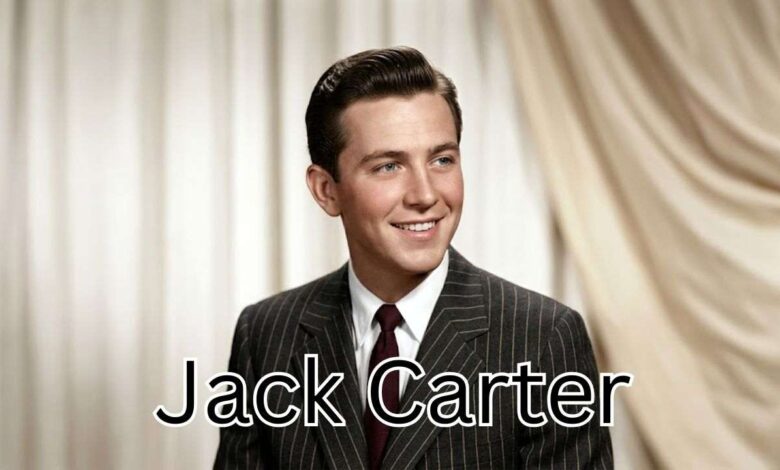
Over 50 feature appearances under the unforgiving hot lights of The Ed Sullivan Show established Jack Carter as a foundational pillar of American broadcast comedy. Yet, modern retrospective countdowns routinely omit his name from the blueprint of live variety performance. During the mid-20th century, American broadcasting shifted rapidly away from radio-style scripts toward hyper-kinetic, highly physical stage comedy. This evolution demanded a new class of versatile visual entertainers who could hold a live camera’s gaze without a safety net. This architectural breakdown explores how the brash comedic pioneer mastered multiple mediums, bridging traditional vaudeville rhythms with modern digital screens.
From Brighton Beach to WWII: The Making of Jack Chakrin
Long before finding fame on television, the performer entered the world as Jack Chakrin on June 24, 1922. Raised by Russian Jewish immigrants in Brighton Beach, Brooklyn, he developed a sharp, defensive neighborhood wit. This urban environment demanded rapid adaptation, a trait that defined his entire professional trajectory.
The young comic honed his skills on the competitive stage of the Major Bowes Amateur Hour radio program. However, World War II fundamentally shaped his performance mechanics. According to official historical records from the Television Academy (2015), he served within a United States military entertainment unit during the conflict. This experience required him to perform under unpredictable, raw conditions for diverse American troops. The assignment sharpened his improvisational reflexes and stripped away any reliance on predictable theatrical setups. He returned to New York ready for Broadway, debuting in the 1947 production of Call Me Mister.
Launching the Golden Era of Television: The Jack Carter Show
The post-war expansion of American television provided the perfect canvas for his aggressive, high-energy style. He quickly became a critical asset for the emerging DuMont Network, a pioneering force in early broadcasting. As the original host of the variety program Cavalcade of Stars in 1949, he established the foundational patterns of late-night variety television.
The technical realities of early television required exceptional physical stamina. Live kinescope broadcasts utilized massive, hot cameras with restricted mobility and fixed audio setups. To remain visible and audible, comedians had to use loud, cutting delivery and broad physical mimicry. While Milton Berle dominated Tuesday nights on NBC with Texaco Star Theatre, Carter drew massive audiences for DuMont, eventually securing his own self-titled program, The Jack Carter Show, which anchored NBC’s ambitious Saturday Night Revue.
Fifty Nights Under the Spotlight: Jack Carter on The Ed Sullivan Show
The true test of mid-century comedic supremacy occurred on Sunday nights. Landing a spot on CBS’s premier variety showcase was the ultimate goal for any entertainer. Archival records from The Ed Sullivan Show Official Website (2026) confirm that Jack Carter appeared on the legendary program more than 50 times throughout his career.
His monologues relied on an unrelenting, rapid-fire delivery that left audiences breathless. He attacked topics with a relentless rhythm, weaving celebrity impressions and physical gags into tight, energetic sets. His immense industry respect culminated in a major institutional milestone. In 1956, he served as the master of ceremonies for the very first televised Tony Awards broadcast, cementing his status as a trusted industry leader who could handle high-pressure live events.
Archivist’s Masterclass: Entertainment historians often study Carter’s specific performance chemistry during his shared sets with icons like Sammy Davis Jr. Unlike traditional, heavily scripted double acts, these collaborations functioned like jazz routines. They relied on mutual improvisation, lightning-fast banter, and a shared mastery of physical theater.
Beyond the Mic: The Stage and Screen Career of Jack Carter
His professional versatility extended far beyond the traditional stand-up microphone. He regularly returned to legitimate theater, anchoring major Broadway musical comedy runs like Top Banana and starring alongside Sammy Davis Jr. in the hit musical Mr. Wonderful. According to data maintained by the Internet Broadway Database, his theatrical presence depended on an ability to project immense charisma to the back rows of crowded venues.
As the classic variety era waned, he successfully transitioned into cinema. He avoided typecasting by embracing diverse character roles in both mainstream studio pictures and cult genre cinema.
His role as Mayor Slade in the 1980 cult classic Alligator showcased his ability to blend systemic cynicism with dark humor. Shortly after, director Mel Brooks utilized his sharp timing for a memorable cameo in the historical satire History of the World, Part I (1981), proving that his classic vaudeville-honed sensibilities translated perfectly to modern cinematic formats.
Bridging Generations: Voice Acting to Modern Sitcom Legacies
The final phases of his career demonstrated a rare capacity for generational reinvention. In the 1990s, an entirely new target audience discovered his vocal talents through creator John Kricfalusi’s boundary-pushing animation style. Jack Carter provided the unhinged, raspy voice for Wilbur Cobb, the decayed veteran cartoon producer on The Ren & Stimpy Show.
This vocal performance introduced his signature caustic wit to Generation X and millennial viewers who were completely unfamiliar with his 1950s variety work. He maintained this creative momentum well into the 21st century by guest-starring on premium cable dramas and network sitcoms. He delivered memorable, scene-stealing late-career performances as Stan Kopchek on Showtime’s Shameless and as a grumpy community elder on NBC’s Parks and Recreation, proving his comedic timing remained sharp across seven decades.
The Final Curtain: Remembering Jack Carter in Beverly Hills
The long career of this entertainment pioneer ended on June 28, 2015. Journalistic obituaries published by TIME Magazine and the Los Angeles Times confirmed that he passed away at his home in Beverly Hills, California, at the age of 93 due to respiratory failure.
His passing marked the loss of one of the final living links to the origin point of American televised comedy. Ultimately, Jack Carter left behind an enduring artistic blueprint. Every modern late-night television host who relies on a fast monologue, high-energy audience interaction, or quick sketches operates within the creative framework that this Brooklyn-born performer helped build under the high-pressure lights of early live television.
FAQs
Who was the comedian Jack Carter?
Jack Carter was an American comedian, actor, and television pioneer known for his aggressive, rapid-fire delivery and broad physical mimicry. Born Jack Chakrin, he helped establish the live variety show format during the Golden Age of television.
How many times did Jack Carter appear on The Ed Sullivan Show?
He appeared on the program more than 50 times, making him one of the most frequent and reliable comedic guests in the history of the showcase.
What character did Jack Carter voice in Ren & Stimpy?
He provided the voice for Wilbur Cobb, an eccentric and cynical retired cartoon producer featured in the classic 1990s animated series.
When did comedian Jack Carter die?
He passed away on June 28, 2015, at the age of 93 at his residence in Beverly Hills, California.
What movies and TV shows was Jack Carter in?
His diverse screen credits include the host of The Jack Carter Show, major film roles in Alligator and History of the World, Part I, voiceover work on The Ren & Stimpy Show, and modern television guest spots on Shameless and Parks and Recreation.
His diverse screen credits include the host of The Jack Carter Show, major film roles in Alligator and History of the World, Part I, voiceover work on The Ren & Stimpy Show, and modern television guest spots on Shameless and Parks and Recreation.