
Elizabeth Kaplan Suffield: 2026 Civic Impact & Farm Update
How Elizabeth Kaplan Shapes Suffield’s Community Aid, Land Preservation, and Local Governance
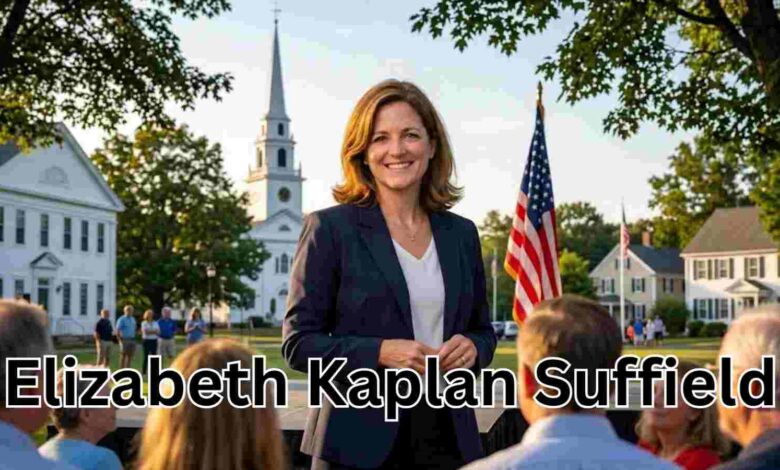
Small-town New England resilience depends entirely on a dedicated network of volunteers who bridge non-profit care with systemic local government action. In towns like Suffield, Connecticut, civic figures wear multiple hats—managing land preservation, local media, and social safety nets simultaneously to protect historic community spaces. This profile explores how Elizabeth Kaplan Suffield actively impacts her local area through leadership at Suffield Community Aid, a role on the Charter Revision Commission, local journalism contributions, and the historic preservation of Kaplan Farm.
Elizabeth Kaplan Suffield: Community Aid (SCA) Leadership
In 2024, Elizabeth Kaplan assumed the role of President of the Board of Directors for Suffield Community Aid (SCA). According to the official SCA governance roster, she leads the 2024-2025 board in governing the town’s primary non-profit social safety net. Her leadership requires direct oversight of food pantry initiatives and critical community resilience programs.
Managing Local Food Pantry and Social Safety Initiatives
Non-profit governance at the municipal level demands practical execution, not just boardroom voting. SCA operates as the frontline defense for residents facing sudden economic hardship. Under Kaplan’s tenure as Board of Directors President, the organization manages a high-volume food pantry that directly serves vulnerable households in Hartford County.
Hands-On Community Outreach Programs
A successful civic leader pairs administrative oversight with frontline volunteering. Kaplan actively participates in several localized aid programs.
These targeted initiatives include:
-
Meals-on-Wheels coordination for homebound seniors
-
Preschool youth vision screenings
-
Emergency fuel bank assistance for winter heating
-
Direct financial aid processing for medical emergencies
Preserving Local Agriculture: The Elizabeth Kaplan Suffield Farm Project
Connecticut farmland preservation prevents irreversible commercial overdevelopment in historic towns. Elizabeth Kaplan and her husband Michael recently secured the agricultural future of their property at 714 North Street.
Civic Impact Breakdown: Purchasing Development Rights
What does it mean when a town buys “development rights”? The CT Department of Agriculture’s Farmland Preservation Program works with local municipalities to protect prime agricultural soils. A town uses its Open Space Fund to pay landowners a negotiated rate. In exchange, a permanent conservation restriction is placed on the property deed. The owners retain the land, pay local taxes, and continue farming, but commercial or residential subdivision becomes legally impossible forever.
The Board of Selectmen Open Space Decision
On September 17, 2025, First Selectman Moll brought a critical motion before the Suffield Board of Selectmen. The board unanimously approved the town’s purchase of the Kaplan Farm development rights. According to the official Town of Suffield meeting minutes, this agreement utilizes the town’s Open Space Fund to secure the 47.3-acre tract.
Environmental and Zoning Long-Term Benefits for Hartford County
Protecting 47.3 acres from subdivision maintains the rural character of Hartford County. This legal mechanism guarantees the land remains agriculturally viable for future generations. It also prevents the strain on municipal infrastructure that dense residential zoning typically creates.
Shaping Local Governance on the Charter Revision Commission
Town charters dictate how local U.S. governments operate, tax, and distribute authority. Periodic revisions ensure these frameworks serve current residents effectively. The municipal government appointed Elizabeth Kaplan Suffield to guide this exact structural process.
The July 2024 Municipal Appointment
Official town records confirm Kaplan’s appointment to the Charter Revision Commission in July 2024. This municipal government role requires commissioners to review the existing town charter, solicit public feedback, and draft legally binding updates.
Evaluating Structural Updates for Suffield Town Operations
Commissioners evaluate everything from the town budget approval process to the scope of power held by the First Selectman. Civic engagement at this level shapes the day-to-day lives of all Suffield CT residents. The commission’s final recommendations eventually go before the voters as a ballot referendum.
Amplifying Voices Through Local Journalism
A healthy democracy requires transparent local journalism. Corporate news outlets rarely cover hyper-local zoning disputes or non-profit fundraising drives. Grassroots publications fill this critical information gap.
The Suffield Observer Editorial Core
Kaplan volunteers her time as an Assistant Editor and Production Team member for The Suffield Observer. This recognized local publication relies entirely on civic-minded residents to write, edit, and distribute news.
Keeping Citizens Informed in the Modern Era
Her dual-role capacity directly supports the operational workflow of the newspaper. Whether proofreading civic updates or assembling the monthly layout, her editorial work ensures residents receive accurate municipal reporting.
How to Replicate Elizabeth Kaplan Suffield Civic Engagement
Towns thrive when residents transition from passive observers to active participants. You can replicate this model of civic engagement in your own community.
Follow this practical action plan to get involved locally:
-
Attend Board of Selectmen Meetings: Check your town’s official website for meeting schedules and read the published minutes.
-
Volunteer with Community Aid Networks: Organizations like Suffield Community Aid constantly need drivers for Meals-on-Wheels or volunteers to sort food pantry donations.
-
Apply for Open Town Commissions: Municipalities regularly post vacancies for zoning boards, conservation commissions, and charter review panels.
-
Contribute to Local Media: Submit articles, photographs, or volunteer for production shifts at independent community newspapers like The Suffield Observer.
Conclusion
Elizabeth Kaplan Suffield demonstrates how modern agricultural conservation, non-profit governance, and local reporting intersect to keep towns thriving. Grassroots leadership requires connecting land preservation with community care to build true structural resilience. Consider attending the next Suffield town meeting or donating to your local community aid network to support these essential efforts.
FAQs
1. Who is Elizabeth Kaplan in Suffield, CT?
She is a local civic leader, President of the Suffield Community Aid Board of Directors, and a member of the Charter Revision Commission.
2. What is the status of the Kaplan Farm development rights preservation?
In September 2025, the Suffield Board of Selectmen unanimously approved the purchase of development rights for the 47.3-acre Kaplan Farm using the town’s Open Space Fund.
3. Who serves as the Board President for Suffield Community Aid?
Elizabeth Kaplan serves as the President of the 2024-2025 Board of Directors.
4. What does the Suffield Charter Revision Commission manage?
The commission reviews the town’s foundational governing document and recommends structural, operational, and legal updates for voter approval.
5. How can residents contribute to The Suffield Observer?
Residents can volunteer as writers, photographers, or production assistants to help assemble and distribute the localized publication.