A Man in a Suit and Tie That Looks Truly Trustworthy
How to Choose Business Portraits That Feel Real, Not Stock
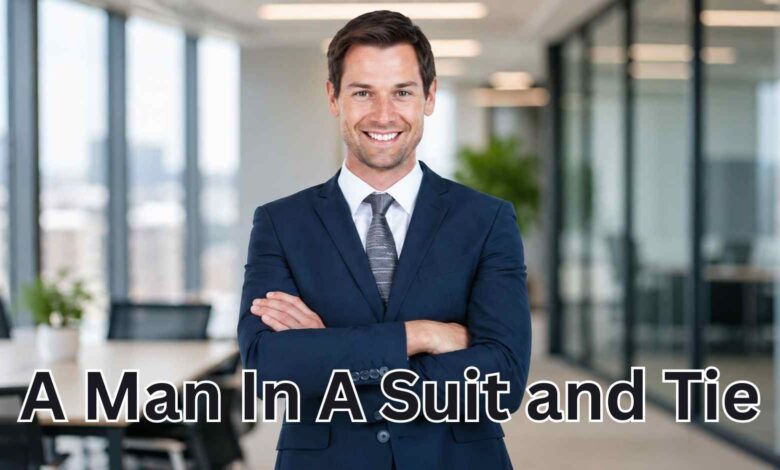
Searching for a man in a suit and tie usually means one thing: you need a professional image that makes a page look credible fast.
But that is where many websites go wrong. They pick the most polished business portrait, upload it, and hope it looks trustworthy. The problem is simple. A generic businessman in suit image can feel staged, overused, or disconnected from the article.
For a UK business website, finance blog, author bio, legal service page, or corporate feature, the right image should do more than show formalwear. It should support the page’s purpose, respect image licensing rules, and help readers trust what they see.
This guide explains how to choose, license, and optimise a professional man in suit and tie image before publishing.
GOV.UK digital images copyright guidance
Why “A Man in a Suit and Tie” Is Mainly an Image Search
What the SERP Shows About Stock-Photo Intent
The search results for this keyword are mostly image libraries and stock-photo platforms. Pexels shows free photo results for “man in suit and tie,” while iStock lists more than 66,600 related stock images. This confirms that the main intent is visual, not long-form reading.
That matters for content strategy. A reader using this phrase is probably not asking, “What is a suit?” They are likely looking for a business portrait, corporate headshot, formalwear image, or stock photo they can use on a website.
So the article should answer the real question behind the search:
Which man in suit and tie image should I choose, and how can I use it safely?
Why a Generic Businessman Image Can Hurt Trust
A business image can look expensive but still feel wrong.
Common problems include:
- A forced smile
- Harsh studio lighting
- An office background that looks fake
- A suit that does not match the topic
- A pose that feels too staged
- No clear UK business context
A finance article, for example, may need a serious executive portrait. A fashion article may need a closer look at suit fit, tie texture, shirt collar, and formalwear styling. A company About page may need a real corporate headshot, not an anonymous stock model.
Common mistake: choosing polish over relevance. If the image could appear on a finance, legal, HR, and insurance page without changing anything, it is probably too generic.
How to Choose A Man in a Suit and Tie Image
Match the Business Portrait to the Page Intent
The best image depends on where you will use it.
| Use case | Best image style | What to avoid |
|---|---|---|
| Corporate homepage | Real team portrait or executive headshot | Anonymous stock model |
| Business blog | Professional office portrait | Overly staged handshake image |
| Finance article | Serious business portrait | Luxury watches, cash, or fake success cues |
| Legal page | Neutral formal portrait | Aggressive or dramatic styling |
| Author bio | Real headshot | Stock image pretending to be a real person |
| Fashion article | Suit, tie, shirt, and fabric detail | Generic office pose |
For most UK business content, the image should feel calm, credible, and relevant. A navy suit, grey suit, white dress shirt, or conservative tie often works better than loud colours or exaggerated styling.
Choose the Right Suit, Tie, and Formalwear Style
A strong business portrait uses visual details well.
Look for:
- Clean suit fit
- Natural posture
- Clear face and expression
- Tie that sits neatly
- Sharp shirt collar
- Balanced lighting
- Background that supports the topic
For formal UK business content, a suit and tie portrait should look professional without feeling theatrical. Moss, a UK menswear retailer, organises its formal categories around suits, tailoring, tuxedos, black tie, shirts, and ties, which reflects the common language readers expect around menswear and formal business clothing.
Make the Image Feel UK-Relevant
UK relevance does not mean adding a flag or a London landmark to every image. It means the visual setting should not clash with the reader’s expectations.
A UK-focused business image may use:
- Natural office lighting
- Subtle city background
- Neutral meeting-room setting
- Modern professional workspace
- Conservative formalwear
- Realistic colour grading
Avoid images that look like corporate clichés. For example, a bright skyscraper boardroom with a model pointing at a glass wall may look polished, but it may not feel relatable to a UK small business, professional service provider, or local finance reader.
Stock Photo, Corporate Headshot, or Custom Portrait?
When a Free Stock Photo Works
A free stock photo can work for general business articles, visual examples, and lower-risk informational pages.
Platforms such as Pexels and Unsplash are useful when you need a quick professional man in suit image. Still, the image should match the page topic and the licence should be checked before use. Pexels and other image platforms may show large libraries, but a large library does not remove your responsibility to review the specific usage terms.
When a Paid Licensed Image Is Safer
A paid licensed image is often better for commercial pages, adverts, business landing pages, legal websites, and financial services content.
The reason is control. Paid libraries usually provide clearer licence terms, higher-resolution files, and commercial-use options. The UK Intellectual Property Office explains that picture libraries may own copyright or have permission to license images, and their contract terms can restrict how supplied images are used.
That does not mean every paid image is risk-free. You still need to check the licence, model release, editing rights, and permitted use.
When a Real Corporate Headshot Is Better
Use a real headshot when the page represents a real person.
This is especially important for:
- Founder profiles
- Author pages
- Consultant bios
- Legal professionals
- Finance advisers
- Leadership pages
- Speaker profiles
A real portrait usually builds more trust than a polished anonymous stock image. Readers can tell when a page is trying to look personal while using a generic model.
Editor’s pro tip: if the page is about a named person, use a real photo whenever possible. Stock portraits are better for general concepts, not identity.
Image Licensing Checks Before You Publish A Man in a Suit and Tie Photo
Check Copyright Before Using Any Business Image
In the UK, photographs and other images are generally protected by copyright as artistic works. The Intellectual Property Office says users will usually need permission from the copyright owner if they want to copy an image or share it online.
GOV.UK also explains that copyright protection is automatic in the UK, including for photography and illustration. You do not need to apply or pay a fee for copyright protection to exist.
This means copying an image from Google Images, Facebook, Pinterest, or another website can create risk if you do not have permission.
Check Permission, Licence, Attribution, and Editing Rights
Before publishing a business portrait, check:
- Is the licence clearly stated?
- Is commercial use allowed?
- Is attribution required?
- Can you crop or edit the image?
- Is the model release suitable for your use?
- Are there limits on advertising use?
- Are there restrictions on sensitive topics?
The UK IPO guidance says the absence of a copyright symbol does not mean an image is free to use. It also says licensed images are usually safer than unlicensed images.
GOV.UK copyright notice for digital images
Avoid Risky Image Sources
Do not take a business portrait from:
- Google Images results
- Social media posts
- Random blogs
- Pinterest pins
- News websites
- Competitor websites
A simple rule helps: if you cannot identify the source, licence, and permitted use, do not upload it.
How to Optimise A Man in a Suit and Tie Portrait for Image SEO
Use a Descriptive File Name
Google says file names can give very light clues about image subject matter. It recommends short, descriptive file names instead of generic names such as IMG00023.JPG or image1.jpg.
Good examples:
man-suit-tie-business-portrait.jpgprofessional-man-suit-tie-office.jpgbusinessman-suit-tie-portrait.jpg
Weak examples:
image1.jpgdownload.jpgphoto-final-new-2.jpg
Write Natural Alt Text Without Keyword Stuffing
Alt text is the short description added to an image for accessibility and search understanding. Google says alt text helps it understand image subject matter and improves accessibility for users who cannot see images clearly. It also warns against stuffing alt attributes with repeated keywords.
Good alt text:
- “Professional man in a navy suit and tie standing in a modern office.”
- “Businessman wearing a grey suit and blue tie against a neutral background.”
- “Corporate headshot of a man in formal business attire.”
Bad alt text:
- “man suit tie businessman suit tie professional man suit tie”
- “best business man suit photo UK formalwear image”
- “SEO business suit tie portrait stock photo man”
Write for the image first. Add the keyword only if it fits naturally.
Add Relevant Surrounding Text and Captions
Google uses page content, captions, image titles, and nearby text to understand an image. It also recommends placing images near relevant text and on pages that match the image subject.
For WordPress, this means your featured image should match the article title, intro, caption, file name, and alt text.
Best Image Type by Business Use Case
Corporate Website
Use a real team photo, founder portrait, or professional headshot. A real image helps readers connect the business with actual people.
Avoid fake boardroom images, forced smiles, or stock models pretending to be staff.
Finance or Legal Article
Use a serious executive portrait, office background, or neutral business image. Keep the tone calm and responsible.
Avoid images with cash, luxury cars, watches, or exaggerated success symbols. They can make a serious article feel less trustworthy.
Fashion or Menswear Article
Use a sharper focus on the suit, tie, shirt collar, fit, fabric, and styling.
For fashion content, the reader cares about what the man is wearing. For business content, the reader cares about what the image signals.
Stock-Image Download Page
Use clear tags, clean metadata, useful captions, and multiple orientations.
A stock-photo page should help users filter by:
- Portrait or landscape
- White background
- Office background
- Full body
- Close-up
- Young businessman
- Mature businessman
- Executive portrait
Common Mistakes When Using a Businessman in Suit Image
Choosing Polish Over Relevance
A polished image is not always the right image. If the page is about small business tax, the image should not look like a luxury wealth advert. If the page is about workplace advice, it should not look like a fashion campaign.
Relevance builds trust faster than gloss.
Ignoring UK Workplace Sensitivity
Be careful with language around business formal attire. A suit and tie can signal professionalism in many settings, but it should not be framed as the only valid form of professional appearance.
GOV.UK’s dress-code guidance covers how dress rules can interact with sex discrimination, and Acas explains that workplace rules may cause indirect discrimination if they disadvantage people with protected characteristics.
Use inclusive wording. Say “formal business image” or “corporate-style portrait,” not “the only professional look.”
Forgetting Licence Terms
A free download button is not the same as full permission for every use.
Check the source page, licence terms, attribution rules, and commercial-use limits before publishing.
Using an Image That Looks Too Generic
Readers often recognise stock-photo patterns.
Avoid:
- Fake handshake photos
- Overly bright boardrooms
- Exaggerated pointing poses
- Unrealistic smiles
- AI-looking skin texture
- Backgrounds that do not match the article
A trustworthy image feels specific, natural, and connected to the page.
Quick Checklist Before Choosing A Man in a Suit and Tie Image
The 10-Point Publishing Checklist
Before you publish, ask:
- Does the image match the page intent?
- Does it look natural?
- Does the suit and tie style suit the topic?
- Does it feel relevant to a UK audience?
- Is the licence clearly stated?
- Is commercial use allowed?
- Is attribution required?
- Are edits or crops allowed?
- Is the file name descriptive?
- Is the alt text accurate and natural?
If one of these checks fails, choose another image.
FAQ About Man in Suit and Tie Images
What does a man in a suit and tie image usually represent?
It usually represents professionalism, business confidence, corporate identity, leadership, formalwear, or workplace credibility. The exact meaning depends on the image style, facial expression, background, and page context.
Can I use a free man in suit and tie photo on my website?
Yes, but only if the licence allows your intended use. Check commercial-use rights, attribution rules, editing permission, and any platform restrictions before publishing.
What is the best alt text for a business portrait?
The best alt text describes the image naturally. Example: “Professional man in a navy suit and tie standing in a modern office.” Avoid repeating keywords unnaturally.
Is a suit and tie still professional for UK business websites?
Yes, it can still work well for UK business websites, especially finance, legal, consulting, leadership, and corporate content. But it should be used as one professional visual style, not presented as the only valid standard.
Should I use a stock photo or a real corporate headshot?
Use a real headshot for named people, leadership pages, author bios, and service professionals. Use stock photos for general business concepts, blog visuals, and neutral corporate themes.
Conclusion
The right a man in a suit and tie image is not just the sharpest photo in the search results. It is the image that matches the page intent, feels credible to a UK reader, has clear usage rights, and supports the content around it.
A strong business portrait should feel natural, licensed, and relevant. A weak one can make a serious page look generic.
Before publishing, check the licence, choose a specific visual style, write clean alt text, and make sure the image supports the article’s purpose. That is how a simple suit and tie portrait becomes a trust signal rather than decoration.